
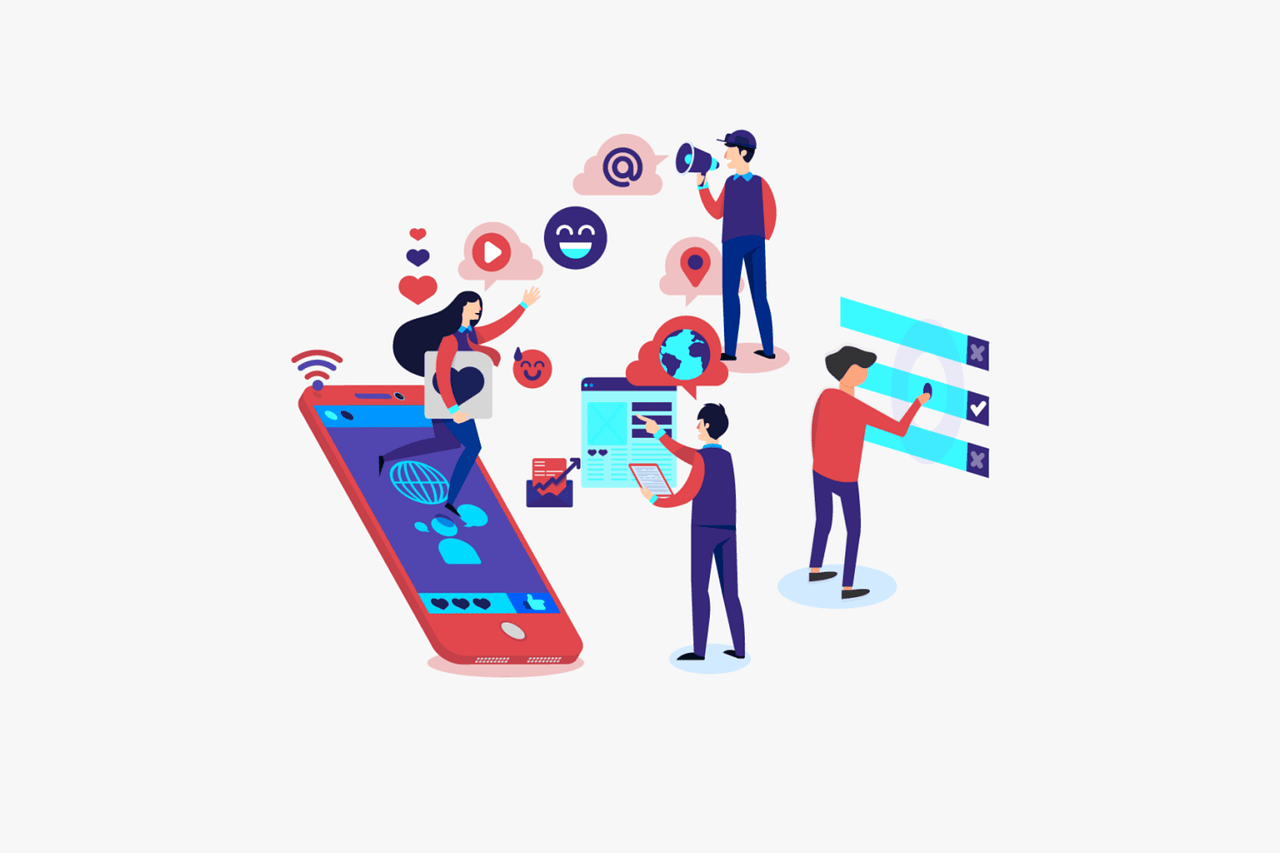
As the digital landscape evolves at an unprecedented pace, businesses aiming to thrive in 2025 must integrate innovative strategies tailored to this dynamic environment. Digital marketing growth strategies now hinge on the effective use of artificial intelligence, immersive technologies, and personalized communications. These factors intertwine with the power of content marketing, social media marketing, SEO, and email marketing, forming a comprehensive toolkit for businesses seeking to enhance customer acquisition and retention. Success lies in adapting to consumer behavior changes while embracing new tools that facilitate automated yet personalized interactions. Efficient marketing automation, supported by data-driven insights, can refine campaigns to maximize impact and boost overall business growth sustainably.
Understanding the need for targeting niche audiences more precisely, marketers are combining SEO with engaging video content distributed across multiple platforms. Social media marketing continues to expand in influence, leveraging trends like short-form videos, influencer collaborations, and community-driven content. Moreover, sustainability and ethical marketing have cemented themselves as foundational pillars influencing purchasing decisions, especially among younger demographics. Strategic business growth now involves blending traditional marketing tactics with innovative digital approaches, ensuring brands remain relevant, visible, and capable of converting prospects into lifelong customers in an increasingly competitive space.
Key points to focus on in 2025 digital marketing growth strategies:
- Leveraging artificial intelligence for personalized and predictive marketing.
- Immersive experiences through AR and VR technologies to captivate audiences.
- Optimizing content and website for voice search and mobile devices.
- Increasing video marketing efforts on platforms like YouTube, TikTok, and Instagram.
- Embracing ethical marketing and sustainability to build trust and loyalty.
- Enhancing social media marketing by utilizing platform-specific features and influencer collaborations.
- Implementing data-driven marketing and marketing automation for precision and efficiency.
Harnessing Artificial Intelligence to Enhance Digital Marketing Growth Strategies
Artificial Intelligence (AI) continues to revolutionize digital marketing, becoming an indispensable catalyst for business growth in 2025. By integrating AI-powered systems, companies can provide personalized experiences that significantly improve customer acquisition and retention. For instance, AI chatbots now handle approximately 75% of customer service interactions, offering instant support around the clock that reduces response times and frees human teams for more complex inquiries.
Moreover, AI-driven analytics enable businesses to decipher consumer behavior patterns and predict purchasing trends. Consider a retailer who employs AI algorithms to analyze past customer purchases and web browsing habits. By doing so, the retailer can generate tailored product recommendations, boosting upsell rates by up to 20%. This personalization increases the chances of customers engaging with marketing content and completing purchases.
Marketing automation, powered by AI, streamlines repetitive tasks such as email campaigns or social media posting, ensuring timely communication based on customer behavior triggers. This automation allows marketers to maintain a consistent and targeted approach without overwhelming manual effort. Companies using advanced analytics and automation tools can experience a 5 to 10% uplift in conversion rates, making these technologies critical for online marketing success.
Implementing AI for Predictive Marketing and Optimized Customer Journeys
Predictive analytics uses AI to forecast future customer actions and market trends, enabling companies to adjust marketing strategies proactively. Businesses that employ predictive marketing can focus their budgets on campaigns with higher expected returns, optimizing ROI. For example, by analyzing seasonal demand cycles and social media sentiment, a brand can launch targeted promotions just before peaks in customer interest.
AI also enables hyper-personalized content delivery. Using machine learning, systems can segment audiences into micro-groups and tailor messages that resonate deeply with each subset. This approach leads to increased engagement rates and long-term customer loyalty by addressing individual preferences and purchase probabilities.
| AI Application | Benefit | Example |
|---|---|---|
| Chatbots and Virtual Assistants | 24/7 Customer Support with Reduced Costs | Instant query resolution on e-commerce sites |
| Predictive Analytics | Improved Marketing ROI via Trend Forecasting | Seasonal campaign timing and product recommendations |
| Marketing Automation | Efficient Campaign Management and Lead Nurturing | Automated email sequences triggered by user behavior |
| Personalization Engines | Enhanced User Experience and Higher Conversion | Custom product pages based on browsing history |
Business leaders interested in enhancing their digital marketing frameworks might find valuable insights on business growth strategies that complement AI-driven marketing efforts effectively. Embracing these technologies can create a clear competitive advantage in 2025’s crowded digital marketplace.
Immersive Customer Experiences through AR and VR Elevate Business Growth
Augmented Reality (AR) and Virtual Reality (VR) technologies have emerged as game-changers in customer engagement, enabling brands to build interactive and immersive experiences that drive both awareness and sales. In 2025, the AR market is projected to reach $198 billion, reflecting its widespread adoption as a strategic marketing channel.
Brands that integrate AR into their marketing strategies can transform conventional shopping into an interactive journey. For example, IKEA’s AR app allows customers to visualize furniture and décor items directly in their homes through smartphone cameras, which has resulted in a 30% increase in conversion rates. This immersive approach helps customers overcome purchase hesitations by providing real-time spatial context.
VR experiences take engagement a step further by transporting customers into virtual environments. For instance, travel agencies can offer VR tours of destinations, letting potential clients explore vacation packages before booking. Such experiential marketing increases emotional connections with the brand, often translating into higher sales and customer loyalty.
Key AR and VR Applications Enhancing Digital Marketing
- Virtual Try-Ons: Fashion and beauty brands use AR to let customers virtually try products like glasses, makeup, or clothing, reducing return rates.
- Interactive Product Demos: AR enables hands-on product exploration through mobile devices, supporting informed purchasing decisions.
- Immersive Brand Experiences: VR storytelling creates memorable brand narratives that foster deeper emotional engagement.
- Event Marketing: Virtual events and product launches in VR spaces increase accessibility and global reach.
Adopting AR and VR in online marketing strategies also aligns with sustainability values by reducing the need for physical samples or in-store visits. This contributes to an eco-friendly brand image important for 73% of millennials who prefer sustainable products and practices.
| Technology | Marketing Application | Business Impact |
|---|---|---|
| Augmented Reality (AR) | Virtual product try-ons and home visualization | Reduced return rates, increased purchase confidence |
| Virtual Reality (VR) | Immersive storytelling and virtual tours | Enhanced brand loyalty and emotional engagement |
Forward-thinking entrepreneurs can discover how to integrate immersive technology effectively by exploring innovative business model innovation approaches that leverage AR and VR for sustained business growth. These tools not only enhance customer experience but also foster unique differentiation in a competitive digital landscape.
Video Marketing and Social Media Marketing Tactics to Maximize Online Reach
Video marketing continues to dominate the digital content space, accounting for up to 82% of all online traffic and exceeding expectations in 2025. Consumer demand for video content is robust, with 91% wanting more online video from brands. When combined with strategic social media marketing, video serves as a powerful driver for customer acquisition and brand awareness.
Short-form video experiences, such as Instagram Reels and TikTok challenges, generate up to 2.5 times more engagement than static posts. Businesses that produce engaging product demos, tutorials, user-generated content, and customer testimonials can effectively capture audience attention and drive conversions simultaneously.
Platforms like YouTube, Instagram, TikTok, and Facebook are essential for distributing video content. Paid social media advertising on these channels can expand reach and improve conversion rates by targeting specific demographics precisely. Moreover, influencer partnerships, particularly with micro and nano-influencers who boast loyal niche followings, have become an integral part of successful social media marketing strategies.
Essential Video and Social Media Marketing Strategies for 2025
- Invest in creating a mix of short-form and long-form video content to cater to diverse audience preferences.
- Engage with audiences through interactive features like polls, live streams, and user-generated content campaigns.
- Allocate budget for paid social media advertising to boost visibility across platforms.
- Collaborate with influencers that align authentically with your brand values for higher credibility.
- Leverage platform-specific features such as Facebook Groups and LinkedIn articles for targeted community building.
| Platform | Video Content Type | Marketing Impact |
|---|---|---|
| YouTube | Product demos, tutorials, testimonials | Strong SEO benefits and long-term audience retention |
| Reels, stories, influencer collaborations | High engagement with younger demographics | |
| TikTok | Challenges, short-form trends | Rapid viral exposure and new audience acquisition |
| Groups, live streams, paid ads | Community building and targeted advertising |
The effectiveness of social media marketing is amplified when integrated with a comprehensive content marketing strategy that aligns with your brand story and values. For startups exploring new avenues for growth, focusing on streamlined marketing tactics for startups in 2025 is critical for maximizing limited resources and achieving faster business traction.
Optimizing SEO and Voice Search to Enhance Customer Acquisition
Search Engine Optimization (SEO) remains a cornerstone of digital marketing growth strategies, particularly with the rise of voice-activated search in 2025. With over 50% of all searches projected to occur via voice, optimizing website content for conversational keywords and local SEO is imperative. Traditional keyword stuffing no longer suffices; instead, businesses must curate accessible, natural language content that voice assistants easily parse and present.
Long-tail keywords play an essential role in capturing voice search traffic. Unlike typed queries, voice searches often involve full questions or phrases resembling everyday speech, such as “Where can I find eco-friendly office supplies near me?” Adapting your SEO to these queries can increase website traffic by as much as 30%, significantly improving customer acquisition rates.
Furthermore, mobile optimization is critical given that nearly 75% of all online transactions in 2025 will be made on mobile devices. Responsive website design ensures seamless navigation and faster load times, directly influencing conversion and retention.
Key SEO and Voice Search Strategies for 2025
- Implement conversational, question-based content optimized for voice queries.
- Focus on local SEO tactics to attract nearby customers and improve ranking in voice assistant results.
- Ensure fast-loading and mobile-responsive website design for an enhanced user experience.
- Leverage structured data and schema markup for better search engine comprehension.
- Combine SEO efforts with content marketing that addresses customer pain points and intentions.
| Strategy | Purpose | Expected Outcome |
|---|---|---|
| Conversational Content | Target Voice Search Queries | Increased organic traffic and improved rankings |
| Local SEO Optimization | Attract Nearby Customers | Higher engagement and localized conversions |
| Mobile Optimization | Enhance User Experience | Reduced bounce rates, increased sales |
Companies eager to refine their digital presence may consider reviewing advanced guidelines on how to create a marketing funnel that converts. Structuring the funnel to capture leads effectively aligns with SEO and voice search efforts, setting the stage for meaningful customer acquisition.
Email Marketing and Data-Driven Automation for Sustained Business Growth
Email marketing remains one of the most cost-effective online marketing channels, providing personalized touchpoints that nurture leads through the buyer’s journey. When combined with data-driven marketing automation, email campaigns become highly targeted and efficient, contributing directly to business growth.
Personalization enhances email marketing effectiveness significantly. In 2025, customers expect content tailored to their interests and behaviors, leading to a potential 20% increase in sales conversions. Utilizing customer data, marketers can develop dynamic email content, triggered workflows, and automated follow-ups that address individual needs and preferences.
Marketing automation platforms leverage data analytics to optimize campaign timing and messaging frequency, ensuring communication is relevant without overwhelming recipients. For example, a clothing retailer might send personalized product recommendations after a customer abandons their cart, increasing recovery rates and revenue.
Benefits of Combining Email Marketing with Automation
- Improved lead nurturing: Automated sequences guide prospects progressively toward purchase decisions.
- Enhanced segmentation: Better targeting through demographic, behavioral, and transactional data.
- Time and resource efficiency: Reduces manual workload for marketing teams while maintaining consistency.
- Increased customer retention: Regular, relevant communication sustains loyalty and repeat business.
| Automation Feature | Benefit | Example |
|---|---|---|
| Triggered Emails | Timely and context-aware messaging | Abandoned cart reminders |
| Segmentation | Targeted content for different audience groups | Personalized newsletters based on purchase history |
| Analytics and Reporting | Campaign performance tracking and improvement | Open rate and click-through analysis |
To deepen expertise in this area, marketers can explore resources on financial planning and funding options for startups aimed at effectively allocating budgets for digital marketing initiatives, accessible through financial planning for small business and startup funding options. Planning enables sustainable investment in marketing automation technologies and ongoing content development.
How does AI improve digital marketing strategies?
AI enhances digital marketing by enabling personalization, predictive analytics, marketing automation, and real-time customer support, all of which lead to better targeting and higher conversion rates.
What role do AR and VR play in business growth?
AR and VR create immersive customer experiences that increase engagement, improve purchase confidence, and drive sales, making them valuable tools for digital marketing growth.
Why is optimizing for voice search important in 2025?
With over half of searches conducted via voice, optimizing content for natural language and local queries helps businesses capture additional traffic and improve customer acquisition.
How can businesses benefit from influencer marketing in 2025?
Influencer marketing, especially with micro and nano-influencers, provides authentic audience connections and higher engagement rates, helping brands reach niche markets effectively.
What advantages does marketing automation offer?
Marketing automation improves efficiency, personalization, and timely communication, leading to better lead nurturing, increased sales, and improved customer retention.


